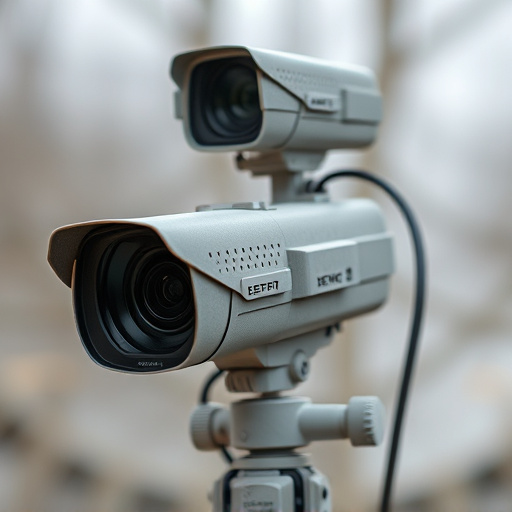
User reviews are key to assessing dummy surveillance equipment, especially for under-eave mounting. Customers seek realistic, durable products. Robust construction and quality materials ensure camera longevity and maintain appearance. Mounting dummy cameras discreetly under eaves enhances security without compromising aesthetics. However, these cameras may lack critical security features and raise privacy concerns, creating a false sense of security if used solely. Real-world application reviews are essential for evaluating visibility, weather resistance, compatibility, battery life, motion detection, and video quality. Successful integration into existing systems offers cost-effective enhanced vigilance through under-eave mounting.
“Uncover the power of dummy surveillance equipment through a comprehensive review of user experiences. This article delves into the intricacies of evaluating dummy cameras, focusing on quality and user feedback. We explore practical mounting techniques, particularly the under eave installation method, addressing privacy concerns and offering insights from real-world applications. Learn how these devices can enhance security while understanding best practices for optimal performance. Discover why mounting dummy cameras under eaves is a game-changer in home protection.”
- Evaluating Dummy Cameras: User Feedback on Quality
- Mounting Techniques: Under Eave Installation Guide
- Privacy Concerns: Are Dummy Cams Effective?
- Best Practices: Real-World Application Reviews
Evaluating Dummy Cameras: User Feedback on Quality
When it comes to evaluating dummy surveillance equipment, user reviews provide valuable insights into their performance and quality. One key aspect often discussed is the realism and durability of the cameras, especially when mounted under eaves or in similar hard-to-reach areas. Users appreciate products that closely mimic real security cameras, as this enhances the overall effectiveness of the dummy setup.
Mounting dummy cameras under eaves presents unique challenges, and reviews highlight the importance of robust construction. Customers look for cameras that can withstand outdoor conditions and maintain their appearance over time. Positive user feedback often emphasizes the realistic design and materials used, which contribute to a convincing simulation without breaking the bank.
Mounting Techniques: Under Eave Installation Guide
Mounting dummy cameras under eaves offers a discreet and effective solution for home or business security surveillance. This technique leverages the natural hiding spot provided by the roof overhang, making it challenging for intruders to spot the camera. The process involves several key steps. First, ensure your chosen dummy camera is designed for under-eave installation with a suitable mounting bracket. Next, carefully measure and mark the mounting location, aligning it precisely with the center of the eaves to achieve optimal field of view.
Using a drill with the appropriate bit size, create pilot holes at the marked locations. Install the mounting brackets securely using screws designed for structural integrity. Once the brackets are in place, gently attach the dummy camera, ensuring all connections are tight and secure. This subtle yet powerful installation method transforms your eaves into an ally in your security strategy, providing valuable visual data without compromising aesthetics.
Privacy Concerns: Are Dummy Cams Effective?
While mounting dummy cameras under eaves might seem like an innocent tactic for homeowners seeking enhanced security, it raises significant privacy concerns. These seemingly harmless devices can easily be misused by malicious actors who gain unauthorized access to them. Once installed, dummy cams become part of a vast network that could capture sensitive information, including personal interactions and routine activities, without the user’s knowledge.
The effectiveness of dummy surveillance equipment is questionable. Despite their visual similarity to real cameras, they often lack essential features that make them less useful for actual security purposes. Motion detection capabilities might be limited, and resolution may not be sufficient to identify individuals or vehicles. As such, relying on dummy cams as a primary security measure can create a false sense of security, leaving homes and properties potentially vulnerable to crime.
Best Practices: Real-World Application Reviews
When reviewing dummy surveillance equipment, particularly focusing on mounting dummy cameras under eaves, it’s crucial to look beyond technical specifications and delve into real-world application reviews. Users who have installed these devices in their homes or businesses can offer valuable insights into their effectiveness, ease of installation, and overall value. Search for feedback that discusses the camera’s visibility from potential angles, its resistance to weather conditions, and compatibility with existing security systems.
Real-world applications also highlight practical considerations like battery life, motion detection accuracy, and video quality under different lighting conditions. Reviews that mention successful integrations into existing security strategies, such as mounting dummy cameras under eaves for added vigilance, can serve as a guide for prospective buyers looking to enhance their home or business security without breaking the bank.
In reviewing dummy surveillance equipment, particularly focusing on mounting techniques like under eave installation and addressing privacy concerns, it’s clear that these devices offer a cost-effective solution for enhancing home security. User feedback highlights the quality of dummy cameras and their effectiveness in deterring potential intruders. Best practices shared by real-world users further reinforce the utility of these tools when installed strategically, such as mounting under eaves. By understanding user reviews and employing proper mounting techniques, individuals can maximize the benefits of dummy surveillance equipment for enhanced privacy and security.